




An African, African-American or multicultural wedding is rarely one event. It is a family knocking at a door, a bride searching a crowded room for the man she has chosen, elders blessing a couple in a language older than the venue — and then, often the very next day, a white gown, a string quartet and a dance floor that doesn’t empty until the lights come on.
Heritage · Ritual · Modern Love
An African, African-American or multicultural wedding is rarely one event. It is a family knocking at a door, a bride searching a crowded room for the man she has chosen, elders blessing a couple in a language older than the venue — and then, often the very next day, a white gown, a string quartet and a dance floor that doesn't empty until the lights come on.
This guide is for the bride holding all of that at once. Below you'll find the meaning behind the best-loved traditions from Nigeria, Ghana, Ethiopia, South Africa and the African-American and Caribbean experience, plus the practical side: how to structure a multiday weekend, plan your outfit changes, brief your DJ and caterer, prepare guests who've never been to a traditional ceremony, and make sure the moments that matter most are filmed the way your grandchildren will want to see them.
A note from Desmond
I grew up in South Africa, a country with twelve official languages and, it sometimes feels, twelve hundred ways to celebrate a marriage. Afrikaans was one of the languages of my home, but the soundtrack of my childhood was never just one thing. Choirs singing in four-part Zulu and Xhosa harmony with no instruments at all. Marimbas and drums. Gospel that could lift a whole hall. A concertina at a farm wedding. Long tables where three generations ate together and nobody looked at the clock.
What I learned early is that in most African families, a wedding is not two people getting married. It is two families, sometimes two villages, agreeing to become one. The negotiations, the gifts, the songs that tease and welcome — they all say the same thing: you are not walking into this alone.
Years later I found myself filming Gugu and Kagisho's wedding in the green hills of Vryheid, KwaZulu-Natal, with guests who had flown in from as far as New York. Standing in that field with a camera, surrounded by drumming and ululation and family blessings, I felt completely at home. That feeling is what Vera and I try to bring to every couple who trusts us with their culture.
— Desmond Denton (Gumede)
One love story, two weddings
Across much of Africa and its diaspora, couples hold a traditional ceremony rooted in custom and family, and a white wedding in a church, mosque, registry or garden. In Nigeria and Ghana the traditional wedding is often called the "engagement" or "trad," and for many families it carries as much weight as the church service — sometimes more.
Some couples do both in one weekend; others space them months apart. Former Miss Universe Zozibini Tunzi, for example, married in white among the Paarl vineyards and then, a week later, celebrated a traditional Xhosa wedding in her home village in the Eastern Cape. Miss South Africa 2018 Tamaryn Green and her husband Ze Nxumalo went further, honouring both their cultures through lobola negotiations, an umembeso, a white wedding in Stellenbosch and a Zulu traditional wedding in KwaZulu-Natal.
There is no wrong order. What matters is that both families feel seen, and that you aren't exhausted before the party you've dreamed of.
A sample multiday wedding weekend
| Day | What happens |
|---|---|
| Thursday | Family welcome or knocking. An intimate evening for the two families: the formal request, gifts and drinks, prayers and introductions. Keep it small and at a family home if possible. |
| Friday | Traditional ceremony. Full cultural attire, aso ebi or matching family fabric, the bride's entrance, the rituals, the feast. Plan for an afternoon start; these celebrations rarely finish on schedule. |
| Saturday | White wedding & reception. Vows, first look if you want one, cocktail hour, grand entrance, speeches and a dance floor with something for every generation. |
| Sunday | Farewell brunch or melse. A relaxed gathering for out-of-town guests — and in Ethiopian tradition, the melse, a celebration after the wedding where the couple wears its finest traditional clothes once more. |
Traditions by culture
Every family does things a little differently, and customs shift from region to region and even village to village. Use this as a starting point for conversations with your elders, not as a rulebook. Each card ends with an idea for bringing the tradition into a modern celebration.
Nigeria — Yoruba
Southwest Nigeria & diaspora
- The introduction & engagement: the families formally meet, then hold a lively traditional wedding guided by two MCs, one for each family. The groom and his friends prostrate to greet the bride's parents; the bride kneels.
- Aso ebi ("family cloth"): matching fabrics announced months ahead so groups of guests — bride's friends, groom's friends, parents' circles — dress as one.
- Gele & aso oke: the sculpted headwrap and handwoven ceremonial cloth that define the bridal look.
- Spraying: guests shower the dancing couple with banknotes as a blessing of prosperity.
Nigeria — Igbo
Southeast Nigeria & diaspora
- Igba nkwu (wine carrying): the bride's father hands her a cup of palm wine; she dances through the crowd searching for her groom, who hides among the guests.
- When she finds him she kneels, sips, and offers him the cup. He drinks, places money in it, and she leads him to her father for blessing.
- Regalia: coral beads for the bride and groom, and a carved cane or walking stick the groom carries proudly.
Ghana — Akan
Ghana & diaspora
- Kɔkɔɔkɔ (the knocking): the groom's family "knocks" on the bride's family's door to ask permission, bringing drinks such as schnapps or palm wine.
- The traditional marriage: a marriage list is presented, witty banter flies between spokespeople, and the bride is asked for her consent three times.
- Kente: handwoven cloth whose patterns and colours carry meaning — often matched between bride and groom.
Ethiopia & Eritrea
Horn of Africa & diaspora
- Telosh: before the wedding, the groom's family presents the bride with gifts — traditionally her dress and jewelry.
- Honouring elders: the couple bows before grandparents and elders to receive their blessing; a priest often blesses the union.
- Gursha & coffee: feeding one another by hand, and the coffee ceremony as an act of hospitality.
- Eskista: the joyous shoulder dance that pulls everyone into the circle. Then the melse, a post-wedding celebration in habesha dress and an embroidered kaba cape.
South Africa — Zulu
KwaZulu-Natal & beyond
- Lobola: negotiation between the families to agree the bride wealth — historically counted in cattle, now often in cash too.
- Umembeso: the groom's family brings gifts, famously blankets, to the bride's family.
- Umabo: the closing ceremony, where the bride's family presents gifts to the groom's family, with song, dance and traditional food.
- Attire: beaded headpieces and the isidwaba skirt, often reworked by South African designers into couture.
South Africa — Xhosa, Sotho & more
Eastern Cape, Free State, Gauteng & Lesotho
- Xhosa: brides wear umbhaco, a cotton fabric finished with striped binding and bold beaded collars and headpieces; the groom often carries a beaded staff.
- Sotho & Tswana: shweshwe (seshoeshoe) print dresses and the Basotho blanket worn with pride.
- Afrikaans & Cape traditions: the langtafel (long table), a braai, and music that gets every uncle onto the floor.
African-American traditions
United States
- Jumping the broom: during slavery, when enslaved people were barred from legal marriage, couples declared their union by jumping a broom. Many families now keep a decorated broom as an heirloom.
- Libation: water or another liquid is poured in honour of ancestors, often toward the four directions, inviting their blessing.
- Tasting the four elements: a Yoruba-derived ritual — sour, bitter, hot and sweet (lemon, vinegar, cayenne, honey) — for every season a marriage will pass through.
- Strolls & line dances: fraternity and sorority strolls, and the songs every cousin knows the steps to.
Caribbean influences
Jamaica, Trinidad & the islands
- Black cake: a dark, rum-soaked fruit cake, often baked weeks ahead, served alongside or instead of a traditional wedding cake.
- Music: reggae, dancehall, soca and calypso sets that pull every generation up together.
- Food: jerk chicken, rice and peas, festival dumplings and tropical fruit.
"In most African families, a wedding is not two people getting married. It is two families agreeing to become one."
Your story starts before the aisle
Your engagement session is the perfect place to wear heritage before the wedding weekend arrives: a kente or aso oke look for half the shoot and something modern for the rest, a family heirloom piece of jewelry, a location that means something to both of you. It also gives you time in front of the camera together, so on the wedding day you feel like yourselves.
Intercultural & interracial love stories
Some of the most moving weddings we film bring together families who grew up with different languages, faiths, foods and histories. Vera and I understand this personally. We grew up worlds apart, and our own marriage is a joyful, daily act of translation.
An intercultural wedding asks everyone in the room to stretch a little, and it can be tender. Sometimes a grandparent needs time. Sometimes a tradition from one side is unfamiliar to the other. Handled with care, those differences become the most beautiful part of the story rather than something to smooth over.
Building a ceremony that belongs to both of you
- Start with the families, not the décor. Ask each set of parents and grandparents which one or two moments matter most to them, then protect those moments in the timeline.
- Choose rituals that unite. A libation honouring both sets of ancestors, jumping the broom together, a handfasting with cords in each family's colours, a coffee or tea ceremony where you serve each other's elders, or one look that carries fabric from both cultures.
- Explain rather than assume. One sentence from your officiant before each tradition helps every guest feel included instead of like an outsider.
- Honour both languages. A reading or blessing in each language, a bilingual MC, and subtitles in your film so every grandparent understands every word.
- Hold faith with care. If you come from different traditions, consider a blessing from each, or a ceremony centred on what you share.
- Mix the tables a little. Seat cousins from both sides together and give both sets of grandparents places of honour.
- Let hesitation be human. If a relative is slow to embrace the marriage, offer them a small, specific role instead of leaving them on the edges. Standing beside you often softens hearts.
- Choose filmmakers who see everyone. Ask how they light and expose for different skin tones in the same frame, so both families look like themselves on screen.
"One day your children will watch this film and see both of their families celebrating the same love."
The bridal looks
For many African brides, an outfit change isn't indulgence — it's the tradition. Nigerian brides often wear several traditional looks across the day, and the most celebrated weddings of recent years have turned those looks into a global couture moment: aso oke sculpted into corsets and sweeping capes, kente laid over lace, gele that are works of architecture. Congolese bride Julia Mbongo wore raffia and cowrie shells with a hand-painted cloak bearing portraits of her late father and her husband's late parents — a breathtaking way to bring the people who couldn't be there into the room.
Planning your outfit changes
- Decide on the number early. Two to four looks is typical: traditional entrance, traditional ceremony, white wedding gown, and a dance-floor or after-party look.
- Schedule each change into the timeline with at least 30–45 minutes for a full change including gele or headpiece. Your filmmakers can use that time for family portraits and guest moments.
- Book a gele or headwrap artist to stay on site rather than leave after the first look.
- Ask the venue for a private changing room close to the reception space, with good light and a full-length mirror.
- Coordinate the groom. Agbada, kente, habesha libs or a beaded staff — matching fabric to your look photographs beautifully and tells the story at a glance.
- Consider a gown with heritage built in: beaded bodices in your family's colours, a kaba-inspired cape, an African-print lining, or an heirloom fabric sewn into the hem.
Choosing a venue that can hold it all
Beautiful isn't enough. A multicultural wedding asks more of a venue than most, so ask these questions before you sign:
- Capacity for the real guest list. Traditional ceremonies welcome the community — friends of friends, aunties' church groups. Plan for more people than the white wedding.
- Sound and curfew. Live drums, horns and a DJ until late. Ask about decibel limits and end times.
- Outside caterers. Can a family cook or specialist caterer bring jollof, injera or a braai, or does the venue require its own kitchen?
- Ritual elements. Libation, a coffee ceremony with incense, candles, a broom on the aisle — check the rules on open flame, liquids and floor protection.
- Room to move. Dancing entrances, family processions and spraying all need a wide, clear path, not a narrow aisle between chairs.
- Changing rooms and load-in time for elaborate décor, thrones or a stage for the couple.
Landscape matters too. A field in Vryheid, a river gorge in Harpers Ferry, a Washington ballroom — the setting becomes a character in your film.
Same venue, two different stories
The Baltimore Museum of Art has hosted both of these celebrations. The space is the same; the music, the families and the traditions make each one entirely its own.
Music, dance & the flow of the night
Music is where two cultures meet most joyfully. The trick is to plan the night in sets rather than one long playlist, so every generation and every side of the family gets its moment.
| Moment | Ideas |
|---|---|
| Entrances | Live drummers or a talking drum for the bride; family entrances with each side's anthem; the couple's dancing grand entrance. |
| Ceremony | Gospel choir, an a cappella South African hymn, a string arrangement of a song from home. |
| Dinner | Highlife, Ethio-jazz, township jazz, soul and R&B classics at conversation volume. |
| Cultural set | Eskista, Afrobeats, amapiano, soca or a gumboot or Zulu dance performance — a dedicated slot to teach guests a few steps. |
| Spraying | One upbeat song chosen just for it, with designated helpers to gather the money. |
| Party | The line dances every cousin knows, hip-hop, house and the songs your parents met to. |
The menu
Food is how families say welcome. A blended menu lets each side taste the other's home:
- West African: jollof rice (prepare for friendly Nigeria-versus-Ghana debate), suya, puff-puff, egusi and pounded yam.
- Ethiopian & Eritrean: doro wat, injera, tibs, and tej (honey wine).
- South African: bobotie, a braai, chakalaka, malva pudding and koeksisters.
- Caribbean: jerk chicken, rice and peas, plantain and black cake.
- Southern soul food: collard greens, mac and cheese, fried chicken, cornbread and sweet potato pie.
Guiding your guests
Half your guests may be at their first traditional ceremony. A little preparation turns confusion into delight.
- A wedding website section explaining each event, its dress code and what will happen ("you may be invited to dance — please say yes").
- Aso ebi or fabric details announced four to six months ahead, with a deadline to order and the name of a tailor who can help.
- A printed program glossary — lobola, umembeso, igba nkwu, kɔkɔɔkɔ, melse — in a sentence each.
- An MC who can move between languages and explain rituals with warmth and humour.
- Seating that honours elders close to the couple, with shade, water and an easy path to the dance floor.
- Small bills info for spraying on the website, so guests aren't caught without cash.
When families travel to meet each other
Destination weddings ask guests to cross oceans, and sometimes two families meeting for the first time. Clear information and a warm welcome make the journey part of the celebration.
Planning timeline for a multicultural wedding
12–18 months
- Sit down with both families: which ceremonies, which customs, whose village or city.
- Set dates for the traditional and white weddings; begin lobola or knocking conversations if they come first.
- Book venues, planner and filmmakers — culturally experienced vendors book early.
9–12 months
- Commission traditional attire and your gown; designers of beadwork and handwoven cloth need long lead times.
- Choose caterers who know your dishes; plan a tasting with an auntie present.
- Engagement session in heritage and modern looks.
4–6 months
- Announce aso ebi or family fabric; send invitations with a separate insert for each event.
- Book drummers, dancers, choir, gele artist, MC.
- Write the ritual run-of-show with your elders.
1–2 months
- Final fittings for every look; rehearse outfit-change timing.
- Send your DJ and filmmakers the music lists, names, family roles and ritual order.
- Assign helpers: money collectors, an elders' host, someone to manage gifts.
Wedding week
- Walk through the ceremony order with both families' spokespeople.
- Pack an outfit-change kit: pins, steamer, flats, a spare gele.
- Then breathe. Be present — the people you've hired will hold the details.
Filming a cultural wedding
A cultural wedding is layered: the elder's blessing spoken softly, the moment the bride finds her groom in the crowd, the aunties ululating as the gifts arrive, the grandmother who quietly dances when she thinks nobody is looking. A film is the only way to keep all of it — the sound, the language, the movement — for the people who weren't born yet.
What to share with your filmmakers
- The order of every ritual, and which ones are sacred and should be filmed discreetly (or not at all).
- Names and correct pronunciation of parents, grandparents and spokespeople.
- Who the key elders are, so their blessings aren't missed.
- When outfit changes happen, and where.
- Songs or speeches in other languages that should be subtitled in the film.
How we approach it at Fine Art Wedding Film
We come from a background in feature film, commercials and fashion, and we film weddings as stories, not checklists. For multiday and cultural celebrations, couples often add our content creation add-on: two filmmakers who both shoot film and share-ready content, one with the bride and one with the groom, so no ritual on either side is missed and no extra crew pulls you out of the moment. We also film on vintage cameras for a warm, home-movie feel — and sometimes hand one to an auntie or a cousin for reactions nobody else could catch.
Many families also choose a thank-you film for parents and grandparents: a short piece that honours the people who carried the traditions to you.
The film library
More African, multicultural and destination weddings from our archive. Tap any film to play it.
African & African-American celebrations
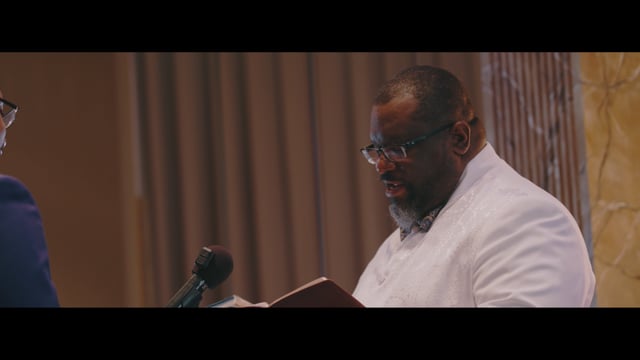 Valley Mansion · African Glamour Wedding
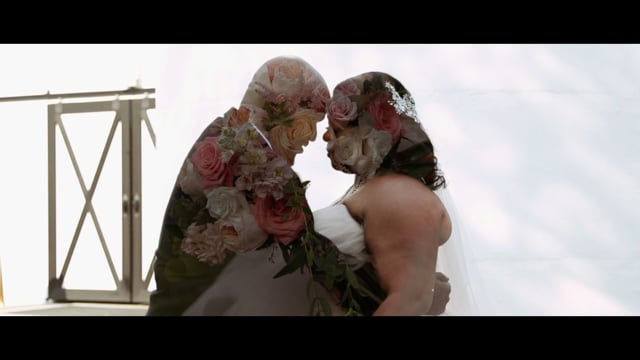 Sweeney Barn · A Spirit-Filled Celebration
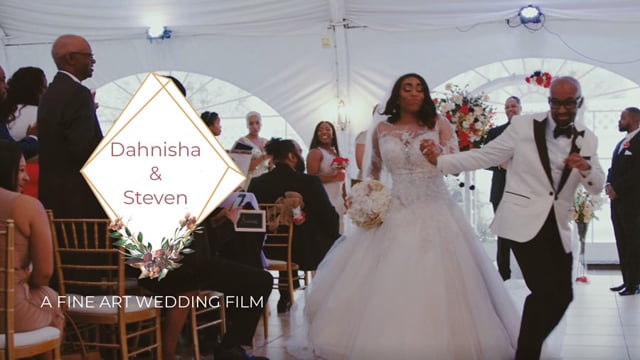 The Villa, Beltsville · Steven & Dahnisha
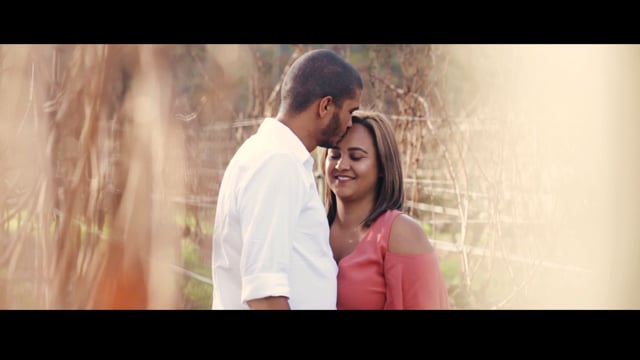 An Intimate African Wedding Invitation
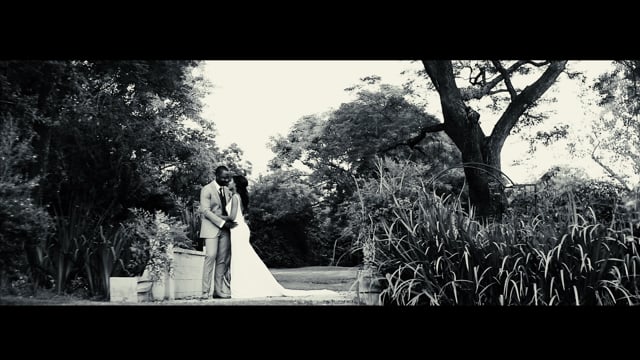 An African Destination Wedding
 Fine Art Wedding Film · Highlights
Destinations
 Atlanta Destination Wedding
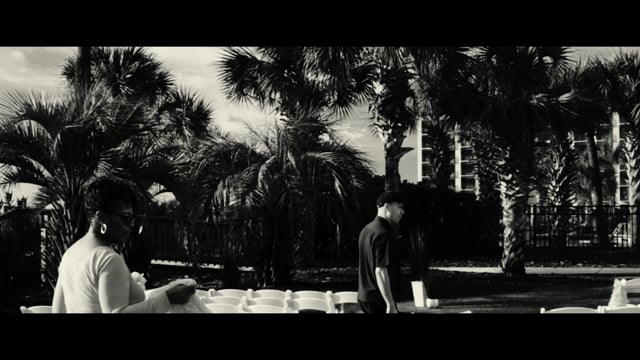
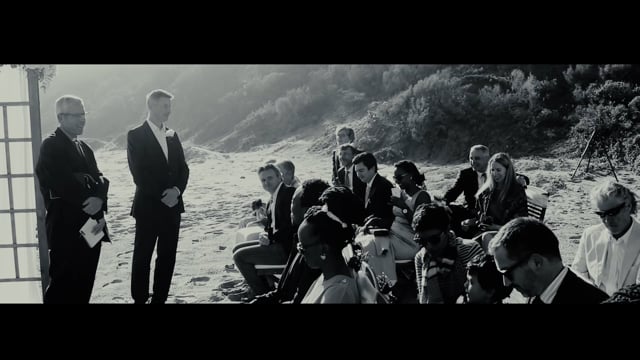 A Black & White Beach Destination Wedding
 Myrtle Beach · Black & White Wedding Film
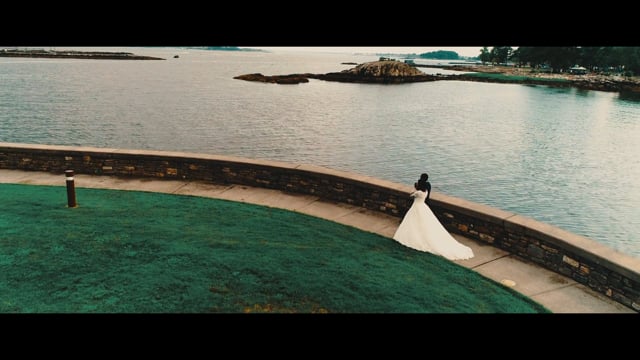 An Elegant New York Beach Wedding
 Ithaca, New York
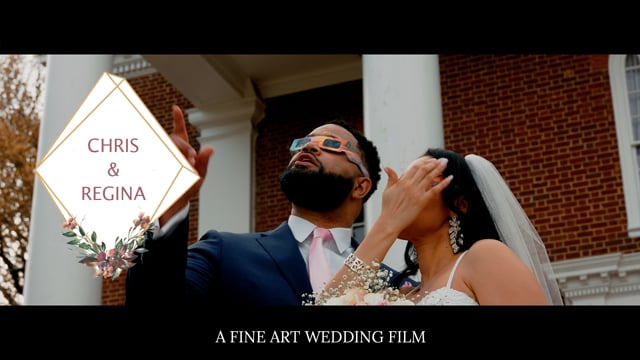 UMD Garden Chapel · A Total Eclipse Elopement
Engagements, styled & editorial
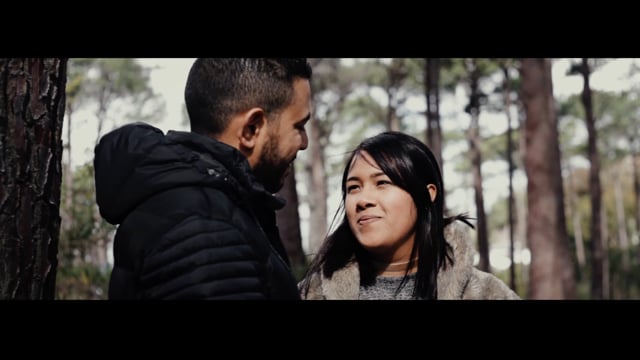 A Forest Engagement Shoot
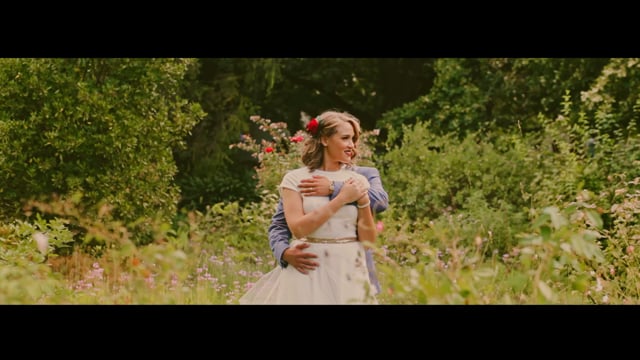 A Romantic Vintage African Styled Shoot
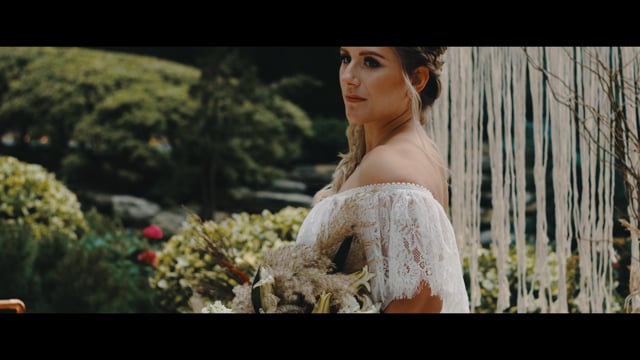 2941 Restaurant · Styled Shoot
 From the Fine Art Archive
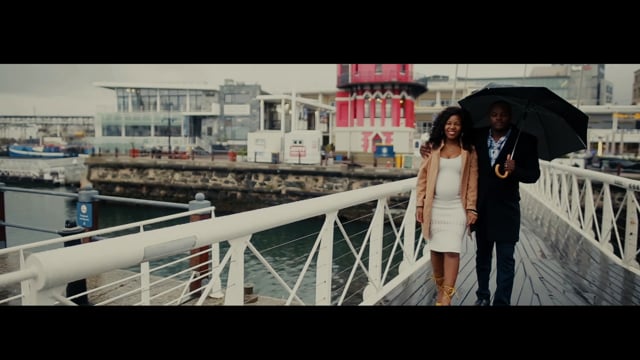 From the Fine Art Archive
 From the Fine Art Archive
 From the Fine Art Archive
More love stories
 Salamander Resort
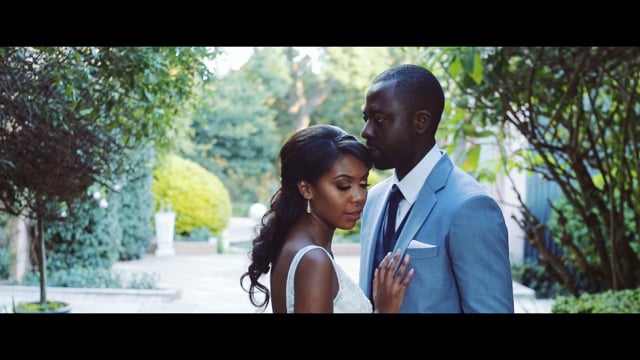 Patapsco Female Institute · Melissa & Robert
 Dover Hall, Virginia
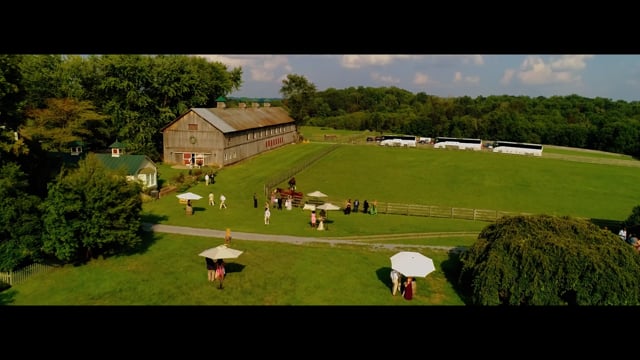 Sylvanside Farm, Virginia
 Morningside Inn
 The Blackwall Barn & Lodge · A Military Wedding
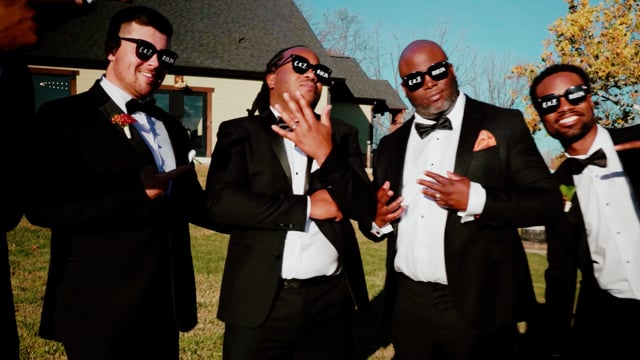 A Wedding Highlight
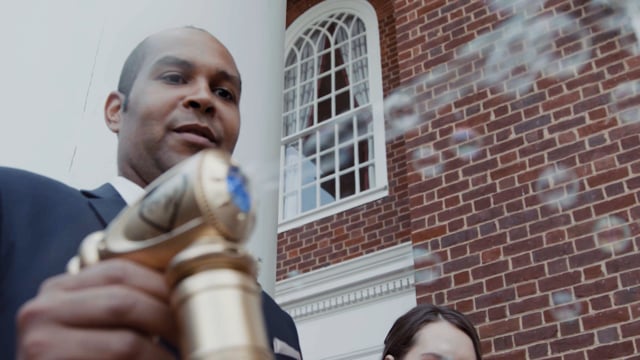 A Wedding Clip
Questions brides ask us
Can we combine our two cultures in one day?
Yes. Many couples hold a shorter traditional ceremony in the afternoon, change, and continue into a white-wedding reception in the evening. Build in a proper break for outfit changes and food, and keep the most important rituals early, while elders have energy.
What is the difference between a traditional wedding and a white wedding?
The traditional wedding follows the customs of the couple's families — negotiations, gifts, blessings and cultural attire. The white wedding is the religious or civil ceremony most people picture, usually with a white gown. Many African couples consider themselves married only once both have taken place.
Is jumping the broom only for African-American couples?
It is deeply tied to African-American history, because it was how enslaved couples marked marriages the law refused to recognise. Couples who include it today usually do so to honour that history, and it is worth having your officiant share its meaning.
What should guests who aren't from the culture wear?
If there's aso ebi or a family fabric, guests can usually buy it and have it tailored — it's an honour to be included. Otherwise, bright, elegant formalwear is welcome at most traditional ceremonies. Share guidance on your website so no one has to guess.
How far ahead should we book a videographer for a multiday wedding?
As early as you set your dates — 12 to 18 months is ideal, especially for peak-season weekends or destination weddings where filmmakers need to travel for several days.
Your heritage, your love story
Let it be remembered as it was felt
Every tradition in this guide was passed down by someone who wanted it to survive. Your wedding is the next chapter. If you're planning an African, African-American or multicultural celebration in Washington DC, Maryland, Virginia or anywhere in the world, we'd love to hear your story.
Share your story with usCrafting legacy through light, love, and lens.
Planning a wedding as a African bride is an opportunity to celebrate love, culture, and heritage in a way that is deeply personal and memorable. From Ethiopian, Nigerian, Jamaican, and South African traditions to modern “white wedding” styles, today’s couples are blending cultural rituals with contemporary design, music, and cuisine to create unique, multi-day celebrations that leave lasting memories for both the couple and their guests.
At Fine Art Wedding Film, we specialize in capturing these culturally rich weddings with cinematic artistry, preserving every moment of your celebration for a lifetime.
-
- Multiday Celebrations and Experiences
Many African-American and multicultural weddings take place over multiple days, allowing for a full immersion in cultural traditions and meaningful rituals:
- Traditional Ceremonies: In Nigerian weddings, the knocking ceremony formally introduces the groom to the bride’s family. Ethiopian weddings may include the Kidan Meheret, a religious blessing ceremony. South African weddings often honor Lobola, the gift from groom to bride’s family.
- Religious or Civil Ceremony: Many couples incorporate a modern or religious ceremony that reflects their faith while blending cultural elements.
- Reception and Celebration: End the festivities with a reception rich in music, food, and dance from both African and African-American traditions.
- Wedding Décor: Blending Tradition and Modern Style
Decor is one of the most striking ways to celebrate heritage while embracing contemporary trends:
- Traditional Elements: Vibrant African fabrics, beadwork, and masks add cultural depth and symbolism. Kente cloth, Zulu bead patterns, and Meskel flowers (from Ethiopia) create meaningful visual storytelling.
- Modern Touches: Metallic accents, bold floral arrangements, and creative lighting can give the decor a contemporary luxury feel, perfectly complementing traditional pieces.
This fusion allows brides to honor their roots while creating a sophisticated, modern aesthetic.
- Choosing the Perfect Wedding Dress
African-American brides have a wide array of options when it comes to wedding attire:
- Traditional African Attire: Rich fabrics, intricate beadwork, and culturally significant silhouettes celebrate heritage and honor ancestors.
- Modern Gowns with Cultural Details: Brides may choose a sleek, modern gown with traditional touches, such as beaded bodices, African-inspired necklines, or patterned fabrics integrated subtly into the design.
The key is choosing a gown that is both personal and reflective of your style and cultural identity.
- Selecting the Right Venue
The venue sets the tone for the entire wedding:
- Size & Capacity: Smaller venues create intimate, cozy atmospheres, while larger spaces accommodate multiday events and large family celebrations.
- Location, Ambiance & Weather: Outdoor venues require planning for sun, wind, or rain, while indoor spaces should prioritize accessibility, parking, and aesthetic appeal.
- Multicultural-Friendly Spaces: Choose venues that allow flexibility for traditional ceremonies, drumming, dancing, and elaborate décor setups.
- Curating the Perfect Music Experience
Music is central to African-American weddings, bridging tradition and celebration:
- Traditional African Elements: Live drumming, highlife, soukous, and other African dance music infuse energy and authenticity. Ethiopian Eskista dance or South African Gumboot dance performances provide cultural flair.
- African-American Traditions: Gospel choirs, R&B classics, and family-requested songs create emotional depth and connection.
- Modern Blends: Contemporary bands or DJs can merge African rhythms with modern hits, keeping guests dancing all night.
Including songs with cultural significance, like gospel hymns or ancestral melodies, strengthens the emotional resonance of the wedding.
- Cuisine: Honoring Cultural Roots
Food is a powerful medium for storytelling:
- African Dishes: Ethiopian Doro Wat and Injera, South African Bobotie, traditional meat dishes, Nigerian jollof rice, and more.
- Caribbean Influences: Jamaican jerk chicken, festival dough, and tropical fruits.
- African-American Favorites: Collard greens, fried chicken, macaroni and cheese, and sweet potato pie.
A curated menu that blends flavors from multiple cultures creates an unforgettable experience for guests and reflects the couple’s heritage.
- Dance, Rituals, and Guest Experiences
Engaging guests in cultural experiences ensures a lively, memorable celebration:
- Dance Workshops: Teach traditional dances like Ethiopian Eskista, Jamaican dances, or South African folk dances.
- Ritual Participation: Invite guests to join in cultural ceremonies, from jumping the broom to ceremonial toasts with honey wine.
- Storytelling and Workshops: Share family stories, historical context, or craft sessions to immerse guests in cultural traditions.
- Planning Tips for Black Brides
- Start Early: Multicultural weddings require more planning to accommodate multiple traditions and experiences.
- Open Communication: Discuss expectations with families to ensure all cultural elements are respected.
- Flexible Creativity: Adapt traditions creatively to suit your wedding vision while honoring their significance.
- Collaborating with Experienced Vendors
Working with culturally knowledgeable vendors ensures a seamless celebration:
- Wedding Planners: Experienced in multicultural weddings and skilled in coordinating multi-day events.
- Caterers: Familiar with preparing traditional dishes from your heritage.
- Photographers & Videographers: Experts in capturing ceremonies, rituals, and cultural details authentically.
Conclusion: A Celebration of Heritage and Modern Love
African-American and multicultural weddings are vibrant, deeply personal celebrations that honor traditions while embracing modern elegance. From décor and attire to music, dance, and cuisine, every element can reflect your cultural roots while creating a unique, unforgettable experience.
At Fine Art Wedding Film, we specialize in capturing these moments with cinematic storytelling, preserving the beauty, joy, and richness of your wedding for generations to come.